


INDIANAPOLIS — Anthony Dibiah is expected to plead guilty but mentally ill on Friday to the murder of his 10-year-old son Nakota Kelly, court records show.
But what does "guilty but mentally ill" actually mean?
"It means that although the person had a mental illness, he was still able to basically understand what he or she was doing," Indianapolis attorney Jack Crawford said. "It's a step below not guilty by reason of insanity."
Crawford was the elected prosecutor in Lake County in 1980 when he and then-Marion County Prosecutor Stephen Goldsmith pushed Indiana lawmakers to enact a law that gave juries a verdict of guilty but mentally ill as an alternative to the insanity defense.

Crawford said two infamous Indiana crimes of the late 1970s drove the change: The killing of a major league baseball player in Gary and the kidnapping of a mortgage company executive in Indianapolis.
- In November 1979, a jury in Lake County found Leonard Smith not guilty by reason of insanity in the murder of California Angels rising star Lyman Bostock.
- In October 1977, a Marion County jury found Anthony "Tony" Kiritisis not guilty by reason of insanity in the shocking and televised kidnapping and robbery of Meridian Mortgage Company President Richard O. Hall.
"It created an uproar in the state," Crawford said. "Myself and the then-Prosecutor Steven Goldsmith of Marion County got together and came down to the legislature and lobbied for a change."
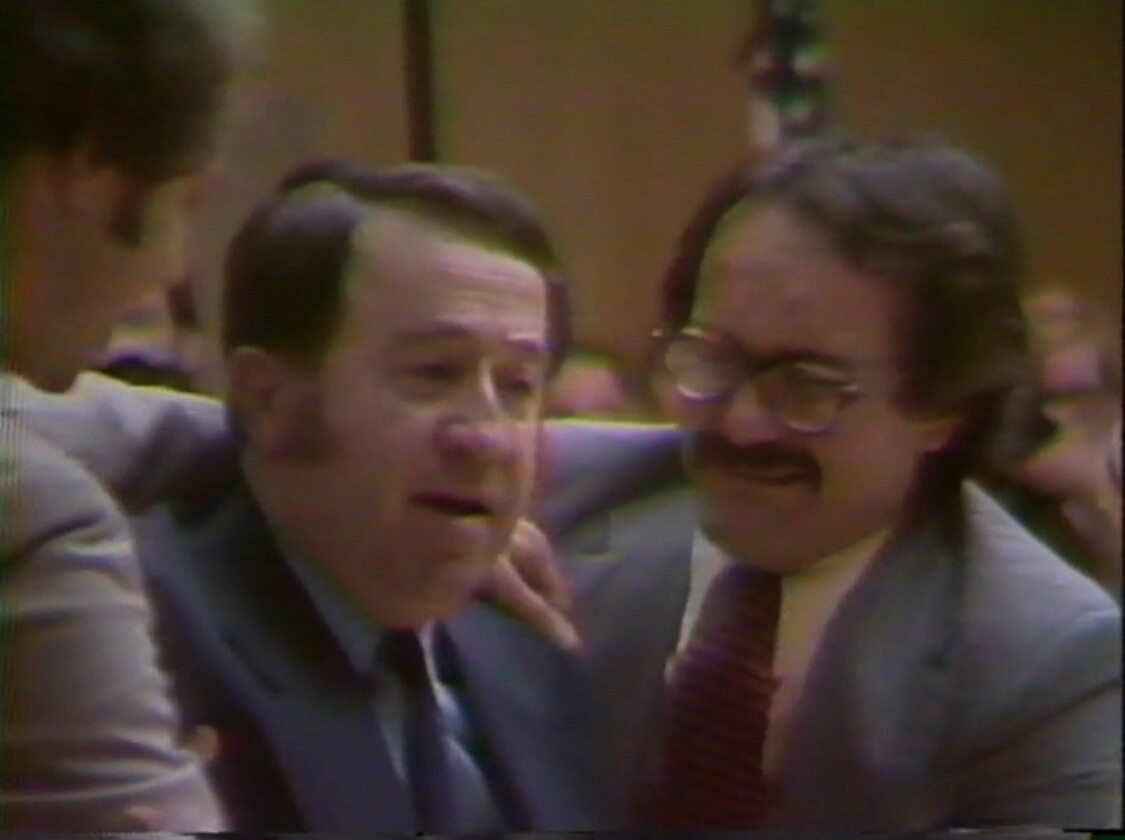
After their not guilty verdicts, Kiritsis and Smith were released after receiving mental health treatment. Smith spent about two years and Kiritsis spent about 11 years in state facilities.
Both might have served much longer prison sentences if guilty but mentally ill had been an option, Crawford said.
"If you're found guilty but mentally ill, you are sent to the Department of Correction like every other criminal defendant," Crawford said.
The Indiana law Crawford helped change more than 40 years ago requires that defendants found guilty but mentally ill must be evaluated and treated for mental illness while they serve whatever sentence a judge orders.
"The bottom line is you're going to prison rather than being set free," Crawford said.
On Friday, Anthony Dibiah is scheduled to be the latest defendant in Marion County to plead guilty but mentally ill.

Dibiah signed a plea deal, records show, that requires he admit to killing his son Nakota Kelly in Indianapolis during a court-ordered weekend visit in July 2020.
The plea deal filed Monday won't be official until it is accepted by a judge, which might happen at Friday's hearing.
If Judge Shatrese M. Flowers accepts the agreement, Dibiah faces a maximum of 55 years in prison.

Read the WRTV exclusive Nakota's story:
Part 1 | Love and lies: How a single mom from Wabash fell in love with a man with five names;
Part 2 | 'Unsubstantiated': DCS investigated at least five abuse complaints against Nakota Kelly's father;
Part 3 | The last visit: Nakota Kelly's short life ends in violence at his father's home
More: 'If they had just listened to Nakota': Mom sues DCS for failing to protect Nakota Kelly | Trial delayed for man accused of killing his son Nakota Kelly | Dad accused of killing Nakota Kelly claims police search was illegal, wants evidence suppressed | IMPD justified in searching apartment of father accused of killing Nakota Kelly, court finds | Father agrees to plead guilty but mentally ill in death of Nakota Kelly, records show
Contact WRTV reporter Vic Ryckaert at victor.ryckaert@wrtv.com or on Twitter: @vicryc.
-

Speedway Police searching for missing 15-year-old girl last seen June 16
Jaylena Smith, a 15-year-old Black female, was last seen on the west side of Indianapolis in Speedway on June 16, 2026, between 8:30 a.m. and 10:30 a.m.
Terrific Tuesday, high heat and humidity return by the weekend
Beautiful weather for today with sunny skies and low humidity. Spotty showers and storms through the end of the week and weekend.
Clark scores 24, Kelsey Mitchell adds 22 and the Fever beat the Mercury 86-77
Caitlin Clark had 24 points and nine assists, Kelsey Mitchell scored 22 points, and the Indiana Fever overcame a 13-point, first-quarter deficit to beat the Phoenix Mercury 86-77 on Monday night.
Students arrested in Philippines school shooting that kills 3, wounds 20
Two students armed with hand guns opened fire in a high school in the central Philippines on Monday, killing three fellow students and wounding at least 20 others, police said.


