


INDIANAPOLIS — Researchers at the Polis Center at IUPUI are developing a new project that examines the equity gap between racial groups in Indianapolis.
The Indianapolis Racial Equity Report Card looks at large disparities in things like income, healthcare and education that exist between white residents and residents of color.
“Almost every indicator we pulled, there was a negative racial gap, meaning that the non-white population, on average, had worse outcomes than the white population," Research Data Analyst Aaron Olson said.
The report is conducted by SAVI — a community information system, which began at the Polis Center in 1994.
Researchers monitor data from sources like the U.S. Census Bureau, Marion County Public Health Department, and Indiana Department of Education.
Olson says the two main goals of the report are:
- Give people easy access to information on what disparities already exist.
- Update the report annually to monitor if gaps are closing.
In terms of education, there's a disparity between the percentage of white vs. non-white students who attend Indianapolis Public Schools institutions with a state letter C or better.
Almost half of white IPS students in pre-school through eighth grade are enrolled in these quality choice schools.
That drops down to a quarter for Black students and a fifth for Hispanic students.
WRTV asked IPS Superintendent Dr. Aleesia Johnson about why this may be.
“It’s a combination of things. There are some sort of historical district policies and structures that have been in place, certainly with no mal intent, to negatively impact communities or students of color. As we look at the data, that is in fact what has played out," Dr. Johnson said.
She says a solution is the district’s Rebuilding Stronger plan.
The four phase initiative aims to improve equity for all students. That could look like stronger academic programs, building new schools and improving existing ones.
The IPS School Board plans to vote on this plan Thursday evening.
“Rebuilding stronger days, we’re going to do something about that. It’s not without challenging tradeoffs, but it’s worth it to keep a commitment to all of our students that we believe we should have in place," she said.
Back at the Polis Center, The Racial Equity Report Card is still in its infancy.
“We’re calling it the Community Feedback Draft. It’s not finalized yet. We have a process through probably next May or next summer," Olson said.
Researchers are looking for the community’s feedback on what factors should be tracked and why.
After the final draft is published, it will be updated annually thereafter.
-

Pacers rookie Braden Smith excited to play in Pacers uniform for the first time
New Pacers second-round draft selection and former Purdue standout Braden Smith is set to play in a Pacers uniform for the first time when the NBA Summer League begins next week.
2 Women facing prostitution charges in Westfield
Two women are facing criminal charges following a prostitution investigation at an apartment complex in Westfield.
Indy youth group urges teens to stay safe this July 4th weekend
Community leaders met with teens near the Artsgarden downtown this week to talk about staying safe and out of trouble ahead of the 4th of July weekend.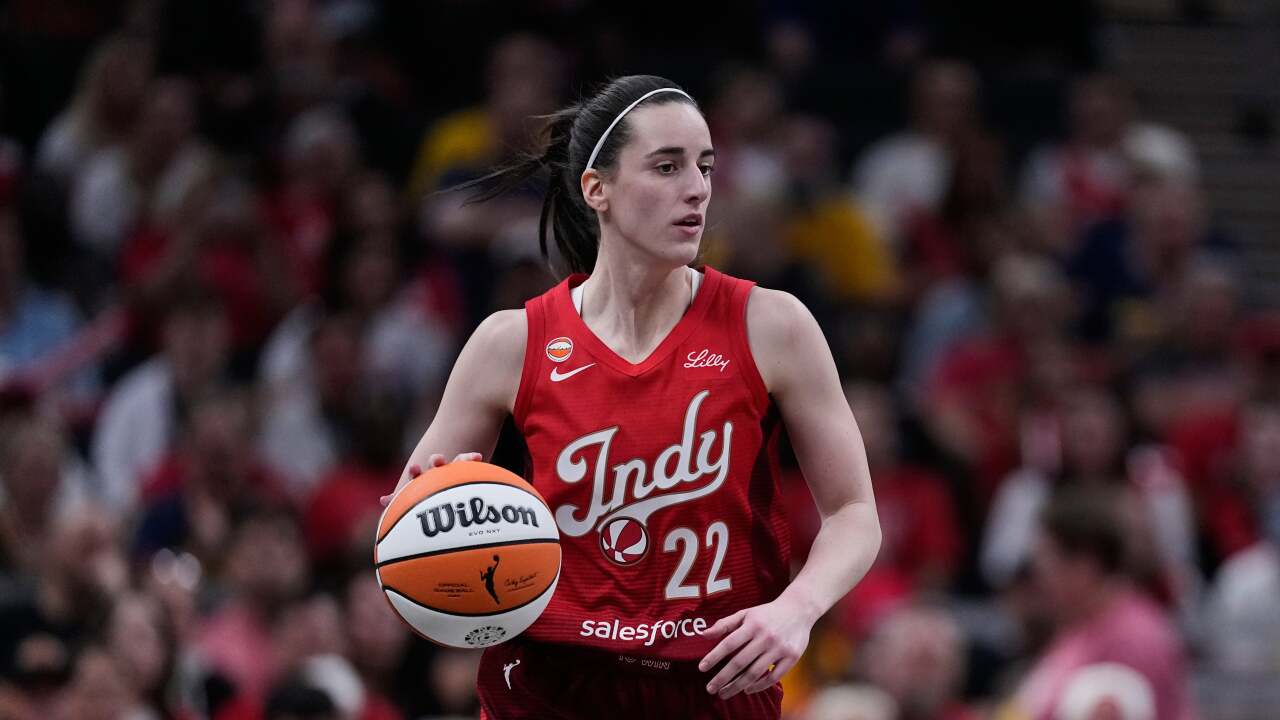
Caitlin Clark (back) to miss the Fever's game against the Aces on Sunday
Fever star Caitlin Clark (back) will not play on Sunday against the Las Vegas Aces. This will be the second straight game that Clark has missed due to the injury.


